
Complete Guide to Trekking Jalori Pass in 2026
Introduction to Jalori Pass – The Hidden Gem of Himachal Pradesh
Jalori Pass (also locally called Jalori Jot) is a majestic high-altitude mountain pass situated at an elevation of 3,120 metres (10,236 feet) in the Kullu district of Himachal Pradesh, India. Nestled between the lush Kullu Valley and the historic Shimla region, Jalori Pass is one of the lowest motorable passes in the Indian Himalayas, making it remarkably accessible for travellers of all experience levels.
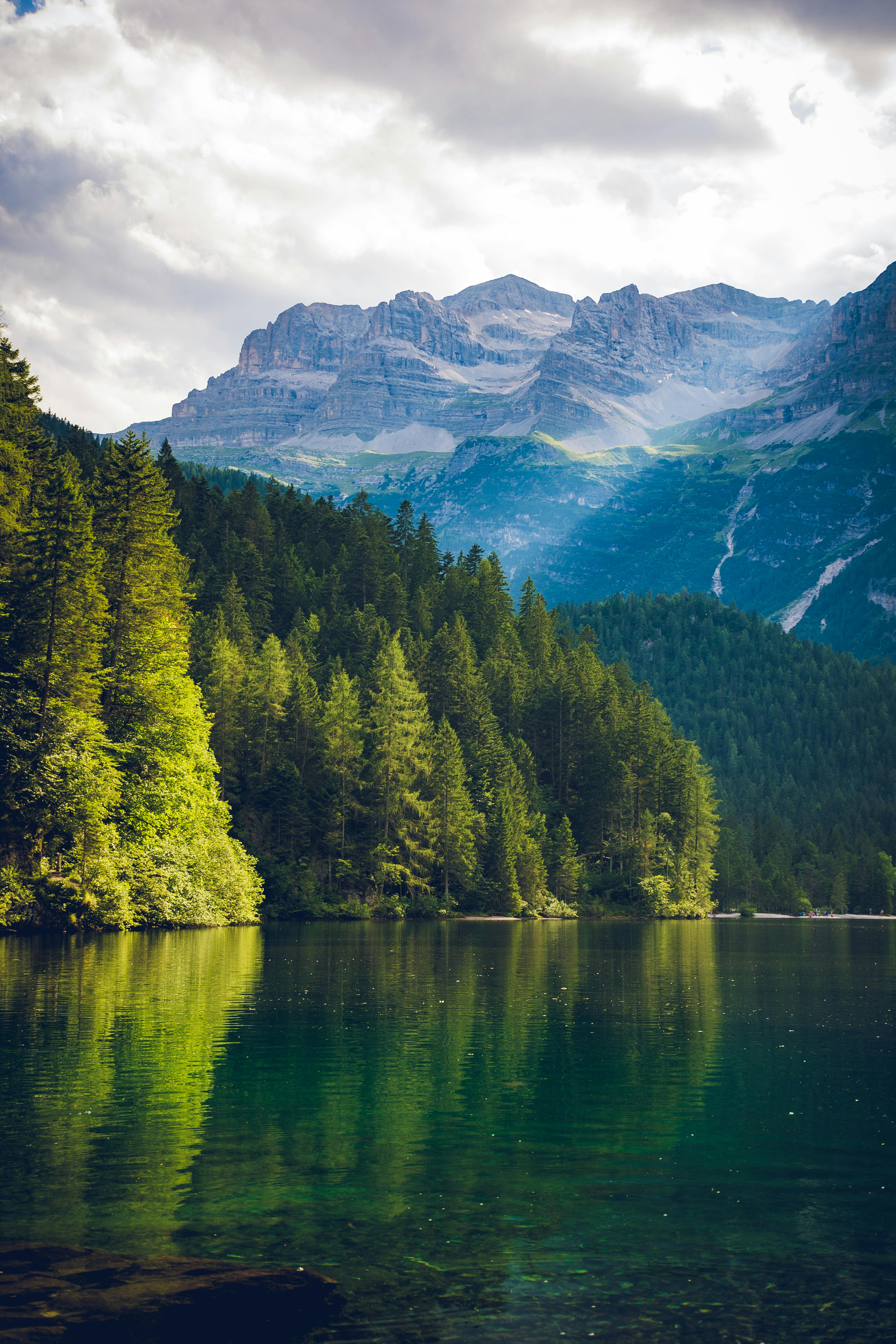
Unlike the overcrowded passes of Manali and Shimla, Jalori Pass retains an untouched, offbeat charm. The pass is surrounded by dense forests of oak, deodar, blue pine, and rhododendron, offering a peaceful retreat for nature lovers, trekkers, photographers, and spiritual seekers alike. The ancient Mahakali Temple at the summit adds a cultural and spiritual dimension to this Himalayan wonderland.
This comprehensive trekking guide covers everything you need to know — from the best routes and treks to accommodation, packing lists, weather conditions, and insider tips — to help you plan the perfect Jalori Pass adventure in 2026.
Why Trek at Jalori Pass? Top Reasons to Visit
Jalori Pass is quickly becoming one of the most sought-after trekking destinations in Himachal Pradesh, and for good reason. Here's why thousands of trekkers choose Jalori Pass every year:
- Easy Accessibility: Unlike most high-altitude passes, Jalori Pass is motorable. You can drive right up to the summit, making it perfect for families and beginners.
- Variety of Treks: The region offers treks for every fitness level — from the easy 30-minute Raghupur Fort walk to the moderate 5 km Serolsar Lake trail and the challenging Lambri Top expedition.
- Untouched Natural Beauty: Alpine meadows, dense forests, pristine lakes, and snow-capped peaks create a landscape that feels straight out of a postcard.
- Rich Cultural Heritage: Ancient temples, traditional Himachali villages, and local cuisine provide a well-rounded mountain experience.
- Affordable Travel: Compared to popular destinations like Manali or Shimla, Jalori Pass offers excellent value with lower accommodation and food costs.
- Year-round Photography Opportunities: From wildflower meadows in spring to golden autumn foliage and ethereal winter snowscapes, every season brings a new canvas.
How to Reach Jalori Pass – Complete Route Guide
Reaching Jalori Pass is straightforward, with multiple well-connected routes from major North Indian cities. Here is a breakdown of how to get there by air, rail, and road.
By Air – Nearest Airport to Jalori Pass
The closest airport to Jalori Pass is Bhuntar Airport (also known as Kullu-Manali Airport), located approximately 90 km from the pass. Bhuntar receives daily flights from Delhi (Air India, IndiGo, SpiceJet). From the airport, you can hire a taxi to Jalori Pass, which takes about 3 to 3.5 hours via the Aut-Banjar-Jibhi route.
Alternatively, Chandigarh Airport (280 km) offers more flight options and is well-connected to major Indian cities. From Chandigarh, you can take a Volvo bus or hire a taxi to reach Jalori Pass in approximately 8-10 hours.
By Road – Driving Routes to Jalori Pass
Jalori Pass is well-connected by road and can be reached from several directions:
- Delhi to Jalori Pass (500 km, 12-14 hours): Take NH-44 to Chandigarh, then NH-21 to Mandi, and continue via Aut-Banjar-Jibhi-Shoja to Jalori Pass.
- Chandigarh to Jalori Pass (280 km, 8-10 hours): Take NH-21 via Bilaspur and Mandi, then continue through Aut Tunnel to Banjar and up to the pass.
- Shimla to Jalori Pass (150 km, 6-7 hours): Take the scenic route via Narkanda and Kumarsain, descending through Ani to reach the pass from the eastern side.
- Kullu/Manali to Jalori Pass (100 km, 3-4 hours): Drive south on NH-21 to Aut, then take the diversion towards Banjar and climb to the pass.
Pro Tip: The road from Shoja to Jalori Pass is narrow and winding. If you are not experienced with mountain driving, hire a local driver from Aut or Jibhi. During monsoon, always check road conditions before attempting the drive.
By Rail – Nearest Railway Station
The nearest broad-gauge railway station is Chandigarh Junction (280 km). For a more scenic journey, take the narrow-gauge toy train to Joginder Nagar (120 km from Jalori Pass), which offers a picturesque ride through the Himalayan foothills. From either station, you can hire taxis or take HRTC buses onwards.
Local Transport at Jalori Pass
Once you reach the Jibhi-Shoja area, local transport options include shared taxis, HRTC buses (limited frequency), and rental cars. Most hotels in Shoja and Jibhi can arrange a taxi to the pass summit. The fare from Jibhi to Jalori Pass typically ranges from ₹800-₹1,200 one way.
Best Time to Visit Jalori Pass – Season-by-Season Guide
The ideal time to trek at Jalori Pass depends on what kind of experience you're looking for. Here's a detailed seasonal breakdown:
Spring (March – April): Rhododendron Season
Spring is a magical time at Jalori Pass. As the snow begins to melt, vibrant rhododendron blooms carpet the hillsides in shades of red, pink, and white. Temperatures range from 5°C to 15°C. Some trails may still have patches of snow, adding to the adventure. This is an excellent time for photography and witnessing the landscape come alive after winter.
What to expect: Partially open trails, blooming flowers, moderate tourist footfall, occasional rain showers.
Summer (May – June): Peak Trekking Season
This is the best time to trek at Jalori Pass. The weather is pleasant, with temperatures between 10°C and 25°C. All trails are fully open, the forests are lush green, and the skies are generally clear, offering stunning mountain views. Serolsar Lake is at its most beautiful, reflecting the surrounding forest like a mirror.
What to expect: Pleasant weather, all treks accessible, peak tourist season, pre-book accommodation.
Monsoon (July – August): Rainy Season
Monsoon brings heavy rainfall to the region, making trails slippery and increasing the risk of landslides. Trekking during monsoon is not recommended. However, if you do visit, the landscape is incredibly green and the waterfalls are at their most spectacular. Leeches are common on forest trails during this period.
What to expect: Heavy rain, potential landslides, road closures, very few tourists, lush greenery.
Autumn (September – November): Golden Season
Autumn is the second-best season for trekking at Jalori Pass. The monsoon has retreated, leaving behind crystal-clear skies and golden-brown forests. Temperatures range from 0°C to 18°C. This season offers the best mountain views and is ideal for landscape photography. The trails are dry, well-defined, and far less crowded than summer.
What to expect: Clear skies, golden foliage, dry trails, cold mornings and evenings, excellent visibility.
Winter (December – February): Snow Season
Jalori Pass receives heavy snowfall during winter, and the road is typically closed from December to March. While the pass is inaccessible, the lower areas of Jibhi, Shoja, and Tirthan Valley remain open and offer a magical winter experience with snow-covered landscapes. Some adventure operators offer winter snow treks to the pass for experienced trekkers.
What to expect: Road closed to the pass, snow trekking opportunities, low temperatures (-5°C to 5°C), serene ambiance.
Top Treks at Jalori Pass – Detailed Trail Guide
Jalori Pass serves as the starting point for some of the most rewarding treks in the Kullu-Seraj region. Here's a detailed guide to the most popular trails:
Serolsar Lake Trek – The Crown Jewel
Distance: 5 km one way | Difficulty: Easy to Moderate | Duration: 2.5-3 hours one way | Elevation: 3,100m
The Serolsar Lake trek is the most popular trail from Jalori Pass and is often considered the highlight of any visit. The trek winds through a dense, enchanting forest of oak, maple, and horse chestnut trees before opening up to reveal the pristine, emerald-green Serolsar Lake.
At the lake, you'll find the ancient Budhi Nagin Temple, dedicated to the serpent goddess. The lake is sacred to locals and holds deep mythological significance. The trail is well-marked and suitable for beginners, though the last stretch involves a gentle climb.
Tips: Start early to avoid afternoon clouds. Carry water and snacks. The return trek is easier as it's mostly downhill. Allow extra time for photography at the lake.
Raghupur Fort Trek – Walk Through History
Distance: 2 km one way | Difficulty: Easy | Duration: 30-45 minutes one way | Elevation: 3,300m
This short and easy trek takes you to the ruins of Raghupur Fort, a historic fortification believed to date back to the Rajput era. The fort sits on a ridge that offers panoramic 360-degree views of the Himalayan ranges, including the snow-capped peaks of the Great Himalayan National Park.
The trail begins right from the Jalori Pass summit parking area and ascends gently through alpine meadows. On a clear day, the views from Raghupur Fort are arguably the best in the entire Kullu Valley.
Tips: Perfect for families and beginners. Visit during golden hour (sunrise or sunset) for the most dramatic views. Carry a windproof jacket as the ridge can be very windy.
360° Viewpoint Trek – The Panoramic Vista
Distance: 1.5 km one way | Difficulty: Easy | Duration: 20-30 minutes one way | Elevation: 3,180m
A short but rewarding trek from Jalori Pass that takes you to an open meadow offering unobstructed 360-degree views of the surrounding peaks and valleys. This is the perfect spot for sunrise photography and for getting a bird's-eye view of the entire Kullu-Shimla landscape.
Tips: Best visited early morning for clear views. Combine with the Raghupur Fort trek for a full morning of exploration.
Lambri Top Trek – The Challenging Adventure
Distance: 8 km one way | Difficulty: Moderate to Difficult | Duration: 5-6 hours one way | Elevation: 3,440m
For experienced trekkers seeking a challenge, the Lambri Top trek offers a demanding yet incredibly rewarding expedition. The trail passes through dense forests, open meadows, and rocky terrain before reaching the summit, which offers some of the most spectacular panoramic views in the region.
This trek is less frequented, offering a true wilderness experience. You'll pass through remote grazing grounds used by local shepherds (called gaddis) and might even spot wildlife including Himalayan monals, barking deer, and langurs.
Tips: Hire a local guide for this trek. Start very early. Carry sufficient food and water. Not recommended during monsoon or immediately after rain.
Where to Stay Near Jalori Pass – Accommodation Guide
There are no accommodations at the Jalori Pass summit itself, but the surrounding villages of Shoja, Jibhi, and Tirthan Valley offer a wide range of options to suit every budget.
Stays in Shoja – Closest to the Pass
Shoja village is just 5 km from Jalori Pass and is the closest settlement. It offers charming homestays, guesthouses, and a handful of boutique properties. The village retains its traditional Himachali character with wooden houses, apple orchards, and terraced fields.
- Budget (₹500-₹1,500/night): Basic homestays with home-cooked meals and warm hospitality.
- Mid-range (₹1,500-₹4,000/night): Comfortable guesthouses with attached bathrooms, heaters, and valley views.
- Premium (₹4,000-₹8,000/night): Boutique cottages with modern amenities, balconies, and curated experiences.
Stays in Jibhi – The Vibrant Base
Jibhi, located 12 km from Jalori Pass, has emerged as a popular backpacker and tourist hub. The town offers a wider variety of accommodations, restaurants, and cafes. It's the perfect base if you want more social interactions and dining options.
- Hostels (₹400-₹800/bed): Several backpacker hostels with dormitories and common areas.
- Hotels (₹1,500-₹5,000/night): Well-appointed rooms with modern amenities and restaurant facilities.
- Luxury Camps (₹5,000-₹12,000/night): Glamping options along the river with bonfire setups and adventure activities.
Stays in Tirthan Valley – The Riverside Retreat
Tirthan Valley, about 20-25 km from Jalori Pass, is famous for its crystal-clear river, trout fishing, and proximity to the Great Himalayan National Park. This is ideal for travellers who want to combine their Jalori Pass trek with a relaxed riverside holiday.
Camping at Jalori Pass
For the adventurous, camping near Jalori Pass is a magical experience. There are designated camping spots near the summit and along the Serolsar Lake trail. You can either bring your own gear or book through local adventure operators who provide tents, sleeping bags, and meals. A typical camping package costs between ₹1,500-₹3,000 per person per night.
What to Pack for Jalori Pass Trek – Essential Checklist
Proper packing can make or break your Jalori Pass experience. Here's a comprehensive packing checklist:
Clothing
- Layered clothing (base layer, fleece, waterproof jacket)
- Comfortable trekking pants (avoid jeans)
- Warm thermal innerwear (especially for autumn and spring)
- Woollen cap, gloves, and muffler
- Sturdy trekking shoes with good grip (essential for forest trails)
- Rain poncho or waterproof jacket
- Extra pair of dry socks
Gear and Essentials
- Daypack (20-30 litres) for day treks
- Trekking poles (especially helpful for Serolsar and Lambri treks)
- Headlamp or torch with extra batteries
- Reusable water bottle (at least 1 litre)
- Sunscreen (SPF 50+) and sunglasses
- First-aid kit with basic medicines
- Personal identification (Aadhaar/passport)
- Cash (no ATMs at Jalori Pass, Shoja, or Jibhi; nearest ATMs in Banjar)
- Power bank (mobile charging may be limited)
Food and Snacks
- Energy bars, trail mix, and dry fruits
- Glucose powder or ORS sachets
- Light snacks like biscuits and chocolates
Altitude Sickness and Health Tips
At 3,120 metres, Jalori Pass is at a moderate altitude. While severe altitude sickness (AMS) is uncommon here, some travellers — especially those coming directly from the plains — may experience mild symptoms.
Symptoms to Watch For
- Headache and dizziness
- Nausea and loss of appetite
- Shortness of breath during exertion
- Difficulty sleeping
Prevention Tips
- Acclimatise: If coming from low altitudes, spend a night in Jibhi or Shoja before trekking at the pass.
- Stay hydrated: Drink at least 3-4 litres of water daily.
- Avoid alcohol: Alcohol worsens altitude symptoms.
- Ascend gradually: Don't rush the treks. Take regular breaks.
- Carry medication: Diamox (Acetazolamide) can help, but consult a doctor before taking it.
Mobile Network and Connectivity at Jalori Pass
Connectivity is limited in the Jalori Pass region. Here's what to expect:
- BSNL: The most reliable network at Jalori Pass and surrounding areas. Calls and basic data work intermittently.
- Jio: Works in Jibhi and parts of Banjar, but signal drops at the pass.
- Airtel/Vi: Very limited or no coverage in the area.
Tip: Download offline maps (Google Maps or Maps.me) before leaving areas with connectivity. Inform family of your plans since communication may be patchy for 1-2 days.
Safety Tips for Trekking at Jalori Pass
While Jalori Pass is considered a safe trekking destination, following these guidelines will ensure a trouble-free experience:
- Never trek alone on the Lambri Top or lesser-known trails. Hire a local guide.
- Start early: Aim to begin your trek by 7-8 AM to avoid afternoon weather changes.
- Inform your hotel: Always tell your accommodation about your trek plans and expected return time.
- Respect wildlife: The area is home to bears, wild boars, and monals. Maintain distance and never feed wild animals.
- Leave no trace: Carry your waste back. The Jalori Pass ecosystem is fragile.
- Check weather: Mountain weather can change rapidly. Be prepared for sudden rain or temperature drops.
- Carry identification: Keep a copy of your ID proof with you at all times.
Budget Breakdown – How Much Does a Jalori Pass Trip Cost?
Jalori Pass is one of the most affordable mountain destinations in India. Here's a rough budget breakdown for a 3-4 day trip:
Budget Traveller (₹3,000-₹5,000 total)
- Transport: ₹1,500-₹2,500 (bus from Delhi/Chandigarh + local taxi)
- Accommodation: ₹500-₹800/night (homestays)
- Food: ₹300-₹500/day (local dhabas)
- Miscellaneous: ₹500
Mid-range Traveller (₹8,000-₹12,000 total)
- Transport: ₹3,000-₹5,000 (Volvo bus + taxi)
- Accommodation: ₹1,500-₹3,000/night
- Food: ₹500-₹800/day
- Guide: ₹800-₹1,500/day
Luxury Traveller (₹20,000-₹35,000 total)
- Transport: ₹8,000-₹12,000 (private car or flight + taxi)
- Accommodation: ₹5,000-₹12,000/night
- Food: ₹1,000-₹2,000/day (restaurants and cafes)
- Private guide: ₹2,000-₹3,000/day
Nearby Attractions – Explore Beyond the Pass
Jalori Pass is perfectly positioned to explore several other stunning destinations in the Kullu-Shimla corridor:
- Serolsar Lake: A sacred alpine lake surrounded by dense forest, accessible via a beautiful 5 km trek from the pass.
- Raghupur Fort: Ancient fortification ruins with unbeatable panoramic mountain views.
- Jibhi: A charming riverside town with cafes, waterfalls, and the historic Jibhi Fort.
- Shoja: A quaint traditional village closest to the pass, known for its wooden architecture and serenity.
- Tirthan Valley: Gateway to the Great Himalayan National Park (UNESCO World Heritage Site), famous for trout fishing.
- Great Himalayan National Park: A UNESCO World Heritage Site with incredible biodiversity, pristine forests, and multi-day trekking routes.
- Chehni Kothi: An ancient tower-like structure in Chehni village, showcasing traditional Himachali architecture.
Responsible Trekking at Jalori Pass – Leave No Trace
As Jalori Pass gains popularity, it's crucial that every visitor contributes to preserving its pristine environment:
- Carry reusable bottles to minimize plastic waste.
- Pack out all trash – if you packed it in, pack it out.
- Stick to marked trails to prevent soil erosion and damage to vegetation.
- Respect local customs and seek permission before photographing people or temples.
- Use biodegradable toiletries to protect the water sources.
- Support local businesses by choosing homestays, eating at local dhabas, and hiring village guides.
Frequently Asked Questions (FAQs) About Jalori Pass Trek
Is Jalori Pass trek suitable for beginners?
Yes, absolutely! Jalori Pass is one of the most beginner-friendly trekking destinations in Himachal Pradesh. The Raghupur Fort trek (2 km) and the 360° Viewpoint trek (1.5 km) are very easy. The Serolsar Lake trek (5 km) is moderate and manageable for first-time trekkers with basic fitness. The pass itself is motorable, so you don't need to trek just to reach it.
What is the best time to trek at Jalori Pass?
The best months for trekking at Jalori Pass are May to June and September to November. Summer (May-June) offers pleasant weather and lush greenery, while autumn (September-November) provides crystal-clear skies and golden foliage. Avoid monsoon (July-August) due to heavy rainfall and landslide risks.
Do I need a permit to trek at Jalori Pass?
No permits are required for trekking at Jalori Pass, Serolsar Lake, or Raghupur Fort. However, if you plan to enter the Great Himalayan National Park (GHNP) in Tirthan Valley, you will need a permit issued by the park authorities.
Is Jalori Pass open in winter?
The road to Jalori Pass is typically closed from December to March due to heavy snowfall. The pass becomes accessible again in April (weather permitting). However, the nearby towns of Jibhi, Shoja, and Tirthan Valley remain accessible in winter and offer a beautiful snow experience.
How difficult is the Serolsar Lake trek?
The Serolsar Lake trek is rated easy to moderate. The 5 km trail is generally well-maintained and passes through a scenic forest. Most fit individuals can complete it in 2.5-3 hours. The terrain is mostly flat with gentle inclines, making it suitable for children above 8 years and seniors with reasonable fitness.
Are there guides available at Jalori Pass?
Local guides are available at the Jalori Pass summit and in nearby villages like Shoja and Jibhi. Hiring a guide is recommended for the Lambri Top trek and optional for Serolsar Lake and Raghupur Fort. Guide fees typically range from ₹800 to ₹2,000 per day, depending on the trek and duration.
Is there mobile network at Jalori Pass?
BSNL offers the most reliable network at Jalori Pass and surrounding areas. Jio works in Jibhi and parts of Banjar. Airtel and Vi have very limited or no coverage. Download offline maps before your trip and carry a power bank.
What food options are available near Jalori Pass?
At the Jalori Pass summit, there are a few small dhabas serving Maggi, paranthas, rajma-chawal, and chai. In Shoja and Jibhi, you'll find a wider variety including local Himachali cuisine (siddu, dham, aktori), North Indian food, and even some international options at Jibhi's cafes. During treks, carry your own snacks and water.
Can I visit Jalori Pass with family and kids?
Yes! Jalori Pass is an excellent family destination. The pass is motorable, so you don't need to trek to get there. The Raghupur Fort trek is easy enough for children aged 5+, and Serolsar Lake is suitable for kids aged 8+. Hotels in Shoja and Jibhi are family-friendly with comfortable rooms and home-cooked meals.
How many days are needed for a Jalori Pass trip?
A minimum of 3 days is recommended, but 4-5 days is ideal to fully explore the area without rushing. A typical itinerary: Day 1 – Travel and rest in Jibhi/Shoja; Day 2 – Drive to Jalori Pass, trek Raghupur Fort and 360° Viewpoint; Day 3 – Serolsar Lake trek; Day 4 – Explore Tirthan Valley or Jibhi; Day 5 – Return journey.
Is it safe to drive to Jalori Pass?
The road from Shoja to Jalori Pass is a narrow, winding mountain road. While it is motorable, it requires careful driving, especially on hairpin bends. During and after monsoon, the road may be damaged in places. If you're not experienced with mountain driving, it's advisable to hire a local driver. The road is typically well-maintained from April to November.
What is the nearest ATM to Jalori Pass?
There are no ATMs at Jalori Pass, Shoja, or Jibhi. The nearest ATMs are in Banjar, about 20-25 km from Jibhi. It's strongly recommended to carry sufficient cash for your entire trip. Some accommodations in Jibhi accept UPI payments, but don't rely on digital payments as connectivity is unreliable.
Last updated: 16 February 2026